Streamline Your Finances with the Bill Organizer Log Book
Managing bills and expenses can be a daunting task, but with the right tools, it can become a breeze. The Bill Organizer Log Book is designed to help you keep track of your financial obligations in a structured and organized way. Whether you're a busy professional, a small business owner, or someone looking to get a better handle on their finances, this log book can be a game-changer.
Why Use a Bill Organizer Log Book?
In today's fast-paced world, it's easy for important bills and payments to slip through the cracks. A Bill Organizer Log Book helps you stay on top of your financial responsibilities by providing a dedicated space to record and manage all your bills and payments. This not only reduces the risk of late fees and missed payments but also gives you a clear overview of your financial situation at a glance.
Real-World Scenarios Where It Shines
- Busy Professionals: If you have a hectic schedule and multiple bills to manage, the Bill Organizer Log Book can help you stay organized. You can easily see what's due when, and plan your payments accordingly.
- Small Business Owners: Running a small business involves juggling numerous financial tasks. This log book can help you keep track of vendor invoices, utility bills, and other recurring expenses, ensuring nothing falls through the cracks.
- Families: For families, managing household bills, school fees, and other expenses can be overwhelming. The Bill Organizer Log Book provides a centralized place to keep all these details, making it easier to budget and plan.
How Different Users Can Benefit
One of the key strengths of the Bill Organizer Log Book is its versatility. Here’s how different users can benefit from it:
- Students: Students often have to manage tuition, rent, and other living expenses. This log book can help them stay on top of their finances and avoid overspending.
- Renters and Homeowners: Keeping track of rent, mortgage, and utility bills can be challenging. The log book simplifies this process, helping you stay organized and on time with your payments.
- Elderly Individuals: For older adults, managing monthly bills and medical expenses can be confusing. The Bill Organizer Log Book provides a clear and simple way to keep track of these important financial details.
Practical Examples and Observations
Let’s dive into some practical examples of how the Bill Organizer Log Book can be used in everyday life:
- Monthly Budgeting: Use the log book to list all your monthly bills and expenses. This will help you create a more accurate budget and identify areas where you can cut back if needed.
- Year-End Financial Review: At the end of the year, review your log book to see where your money went. This can be incredibly useful for tax preparation and planning for the next year.
- Shared Expenses: If you share a home with roommates or family members, the log book can help you track shared expenses and ensure everyone contributes fairly.
Common Considerations Before Using the Bill Organizer Log Book
While the Bill Organizer Log Book is a powerful tool, there are a few considerations to keep in mind:
- Consistency: To get the most out of the log book, it’s important to use it consistently. Make it a habit to update the log book regularly with new bills and payments.
- Customization: The log book is designed to be flexible, so feel free to customize it to fit your specific needs. Add notes, reminders, and any other information that will help you stay organized.
- Security: Since the log book contains sensitive financial information, make sure to store it in a secure location. Consider using a lockable file cabinet or a safe to keep it protected.
Strengths and Limitations
The Bill Organizer Log Book offers several strengths, including:
- Clarity and Organization: It provides a clear and organized way to manage your bills and expenses, reducing the likelihood of missed payments and late fees.
- Versatility: The log book can be used by a wide range of individuals, from students to business owners, making it a versatile tool for various financial situations.
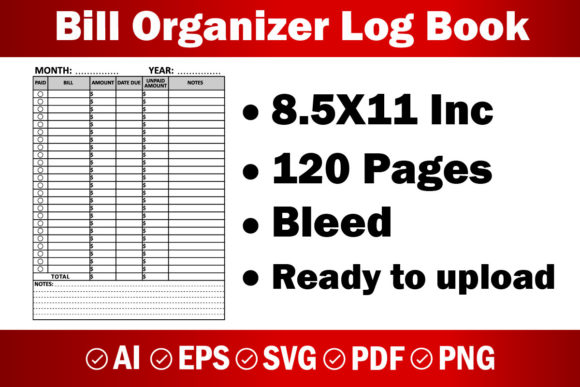
- User-Friendly: With 120 pages and a user-friendly layout, it’s easy to start using the log book without a steep learning curve.
However, there are a few limitations to consider:
- Manual Entry: While the log book is highly effective, it does require manual entry of all your bills and payments. This can be time-consuming, especially if you have a lot of financial transactions to manage.
- No Digital Integration: The log book is a physical product, so it doesn’t integrate with digital tools like online banking or budgeting apps. If you prefer a fully digital solution, this might not be the best option for you.
Getting Started with the Bill Organizer Log Book
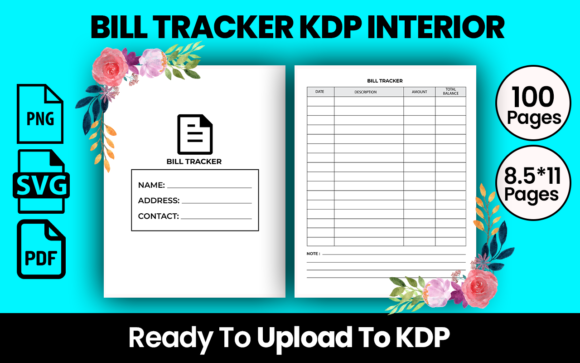
If you’re ready to take control of your finances, the Bill Organizer Log Book is a great place to start. Available in a convenient 8.5x11 size with 120 pages, it’s designed to be both functional and easy to use. Plus, you’ll receive the log book in multiple formats, including AI, EPS, SVG, PDF, and an editable PowerPoint template, giving you the flexibility to customize and print as needed.
Don’t let financial stress hold you back. With the Bill Organizer Log Book, you can streamline your bill management, stay organized, and achieve peace of mind. Start using it today and see the difference it can make in your financial life.