Understanding and Utilizing the Fridge Temperature Log
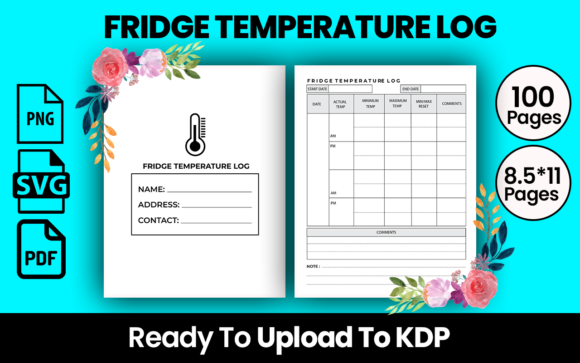
Fridge Temperature Log is a practical tool designed to help you maintain the optimal temperature in your refrigerator, ensuring that your food stays fresh and safe. Whether you are a homeowner, a restaurant owner, or a professional in the food industry, this log can be an invaluable asset in your daily operations.
The Importance of Monitoring Fridge Temperatures
Maintaining the correct temperature in your fridge is crucial for several reasons. First, it prevents the growth of harmful bacteria, which can lead to foodborne illnesses. Second, it helps in preserving the quality and freshness of your food, reducing waste and saving money. The Fridge Temperature Log provides a systematic way to monitor and record these temperatures, making it easier to identify and address any issues.
Features and Characteristics of the Fridge Temperature Log
- Detailed and Organized: The log is designed with clear sections for recording dates, times, and temperatures, making it easy to use and understand.
- User-Friendly: Its straightforward layout ensures that anyone, regardless of their technical background, can use it effectively.
- Versatile: Suitable for both home and commercial settings, it adapts well to different environments and needs.
Who Can Benefit from Using the Fridge Temperature Log?
The Fridge Temperature Log is beneficial for a wide range of users, including:
- Homeowners: For those who want to ensure their family's health and safety by keeping their fridge at the right temperature.
- Restaurant Owners and Managers: To comply with health regulations and maintain high standards of food safety.
- Food Industry Professionals: Such as caterers, event planners, and food service providers, who need to ensure the integrity of their products.
Real-World Applications and Scenarios
Imagine a busy restaurant where the kitchen staff uses the Fridge Temperature Log to check and record the fridge temperature multiple times a day. This not only helps in maintaining compliance with health codes but also ensures that all ingredients are stored properly, leading to better food quality and customer satisfaction.
In a home setting, a parent might use the log to teach their children about food safety and the importance of proper storage. By involving the whole family in the process, it becomes a shared responsibility and a learning experience.
Strengths and Considerations
While the Fridge Temperature Log offers numerous benefits, there are also some considerations to keep in mind:
- Consistency is Key: Regular and consistent monitoring is essential to get the most out of the log. It requires a commitment to routine checks and recordings.
- Accuracy Matters: Ensure that the thermometer used is accurate and calibrated. An inaccurate reading can lead to incorrect entries and potential food safety issues.
- Training and Awareness: For commercial settings, it’s important to train staff on how to use the log and why it’s important. This can help in fostering a culture of food safety and quality.
Evaluating Suitability for Your Needs
When deciding if the Fridge Temperature Log is right for you, consider the following:
- Your Specific Needs: Determine if regular temperature monitoring is necessary for your situation. If you have a small household and rarely face food spoilage, it might not be as critical.
- Regulatory Requirements: If you operate in a regulated environment, such as a restaurant or a food processing facility, the log can be a vital tool for compliance.
- Cost-Benefit Analysis: Weigh the cost of using the log against the potential savings in reduced food waste and improved food safety. The long-term benefits often outweigh the initial effort.
Conclusion
The Fridge Temperature Log is a simple yet powerful tool that can significantly enhance your ability to manage and maintain the ideal temperature in your refrigerator. Whether you are a homeowner, a restaurant owner, or a professional in the food industry, this log can provide the structure and consistency needed to ensure the safety and quality of your food. By integrating it into your routine, you can enjoy peace of mind and better outcomes in your food storage and handling practices.