Unlocking Creativity with Lined Blank Pages: A Comprehensive Guide
Lined blank pages are a versatile and essential tool for anyone who loves to jot down thoughts, sketch ideas, or plan projects. Whether you're a professional, a student, or a hobbyist, these pages offer a clean, organized space to bring your ideas to life. This article will help you understand the importance of lined blank pages and how to choose and use them effectively.
Why Choose Lined Blank Pages?
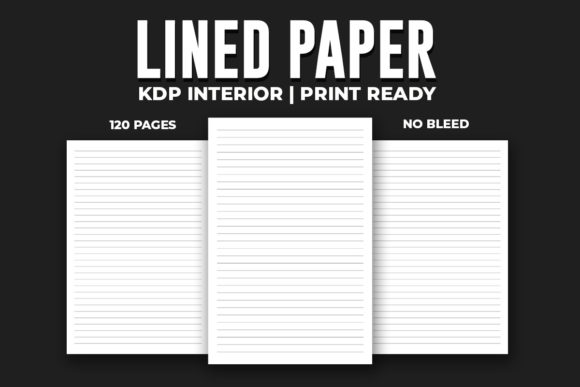
Lined blank pages provide a structured format that helps keep your writing neat and legible. They are ideal for note-taking, journaling, and even drafting documents. The lines guide your handwriting, making it easier to read and review later. Additionally, they come in various sizes and formats, such as 6 x 9 inches, which is a popular choice for its portability and usability.
Mistake 1: Ignoring the Quality of the Paper
One of the most common mistakes is not considering the quality of the paper. Low-quality paper can lead to ink bleeding, smudging, and tearing, which can ruin your work. Always opt for high-quality paper, such as those with a 300 DPI resolution, to ensure durability and clarity.
Mistake 2: Overlooking the Importance of Line Spacing
The spacing between the lines can significantly impact your writing experience. Too narrow lines can make your handwriting cramped and difficult to read, while too wide lines can waste space. Standard line spacing is usually around 7mm, but it's essential to find what works best for you.
Mistake 3: Not Considering the Format and Size
Choosing the right size and format is crucial for the intended use. For example, a 6 x 9-inch notebook is perfect for on-the-go note-taking, while a larger size might be better for detailed drawings or extensive writing. Consider your specific needs and preferences to make the best choice.
Tip 1: Use Different Colors for Organization
To keep your notes and ideas organized, use different colored pens or highlighters. This simple technique can help you quickly identify and categorize information, making it easier to review and reference later.
Tip 2: Label Your Pages
Labeling each page with a date, topic, or project name can save you time and effort when searching for specific information. This practice is especially useful if you use multiple notebooks or have a large volume of notes.
Tip 3: Keep a Consistent Layout
Maintaining a consistent layout, such as using the top half of the page for notes and the bottom half for sketches or diagrams, can enhance your productivity and organization. This approach ensures that your notes are well-structured and easy to follow.
What to Check Before Making a Decision
- Paper Quality: Ensure the paper is thick enough to prevent ink bleed and has a smooth surface for comfortable writing.
- Line Spacing: Check the line spacing to ensure it suits your handwriting style and the type of content you will be writing.
- Size and Format: Choose a size and format that fits your needs, whether for travel, desk use, or specific projects.
- Editable and Print-Ready Files: If you are planning to create or customize your own lined blank pages, look for fully editable PDF and high-resolution JPG files that are ready to upload and print.
By avoiding these common mistakes and following the practical tips, you can make the most of your lined blank pages. Whether you're using them for personal or professional purposes, high-quality, well-organized pages can greatly enhance your writing and creative processes.
Remember, the key to a successful and satisfying experience with lined blank pages is to choose wisely and use them thoughtfully. Happy writing!